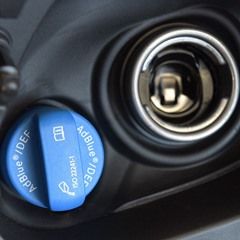
AdBlue® is a highly purified colourless liquid. It contains demineralized water and urea (32.5%). It is used with diesel engines and is also known outside of Europe as DEF, ARLA 32 or AUS 32 in some countries.
The main active component of AdBlue® is ammonia. This is chemically formed by hydrolysing automotive urea, which is the main raw material for AdBlue®. Urea is also used in the production of fertilizers and many more applications.
AdBlue® is used with diesel engines using SCR technology. This technology (Selective Catalytic Reduction) reduces harmful emissions (NOx). AdBlue® is injected into the catalyst of the SCR system, where it triggers a chemical reaction with the ammonia. This chemical reaction converts the toxic nitrogen oxides (NOx) into nitrogen (N2) and water vapour (H2O). Water vapour and nitrogen are naturally occurring gasses that are harmless to the environment.
Here is a short video about AdBlue® –
Do I need AdBlue in my car?
Read article
AdBlue® is mandatory in Diesel cars since the 1st of January 2017. If your car is less than 2 years old and is a Diesel car, then yes you might need to add some AdBlue® in it!
To make sure this is the case, you simply have to check your user manual.
You can also check AdBlue consumption according to your car model here.
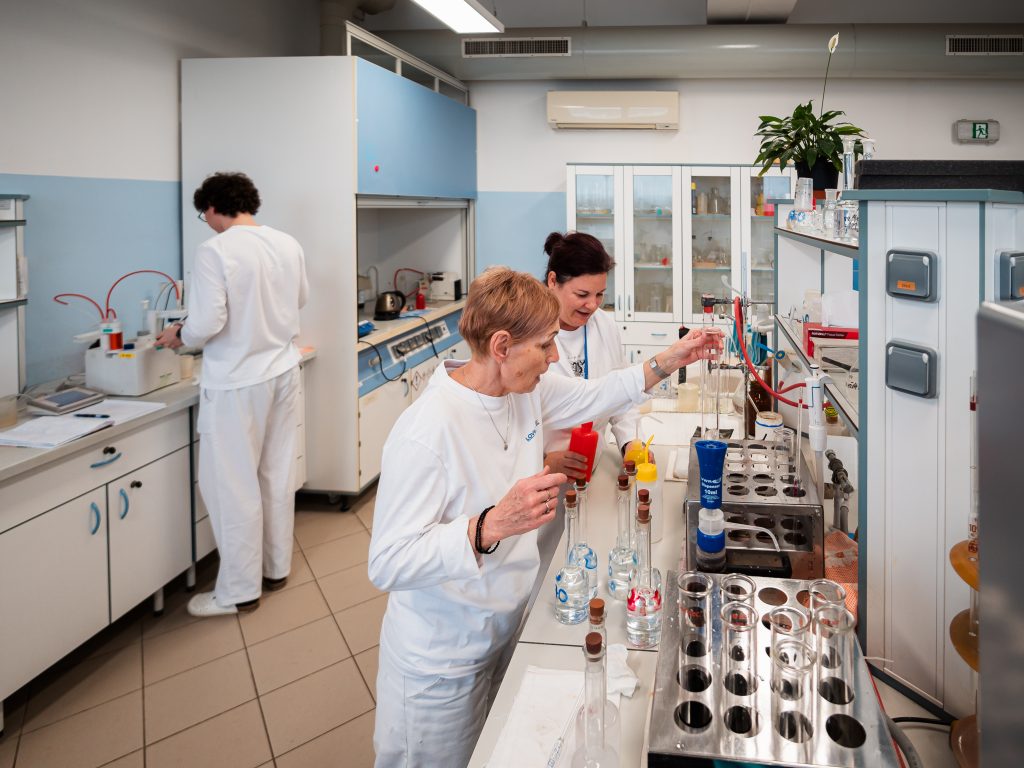
How GreenChem ensures the quality of AdBlue?
Read article
GreenChem produces AdBlue in various blending sites across Europe and Brazil. GreenChem has subsidiaries in 16 EU countries which provide local sales & support to our customers.
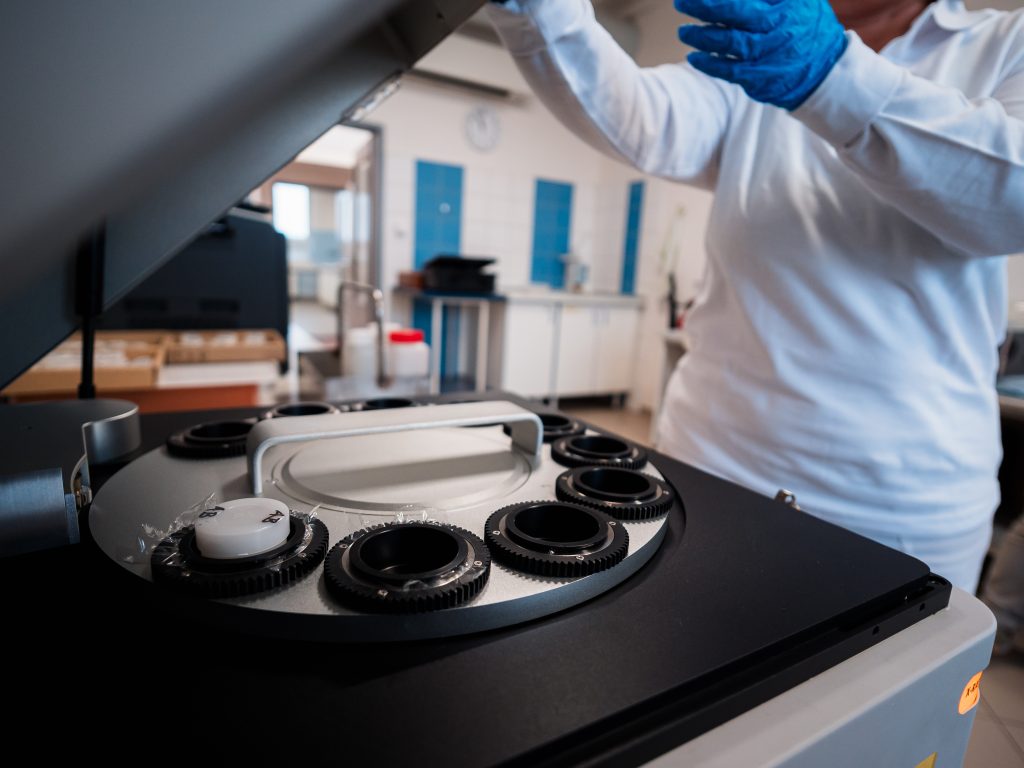
Every delivery to our customers is
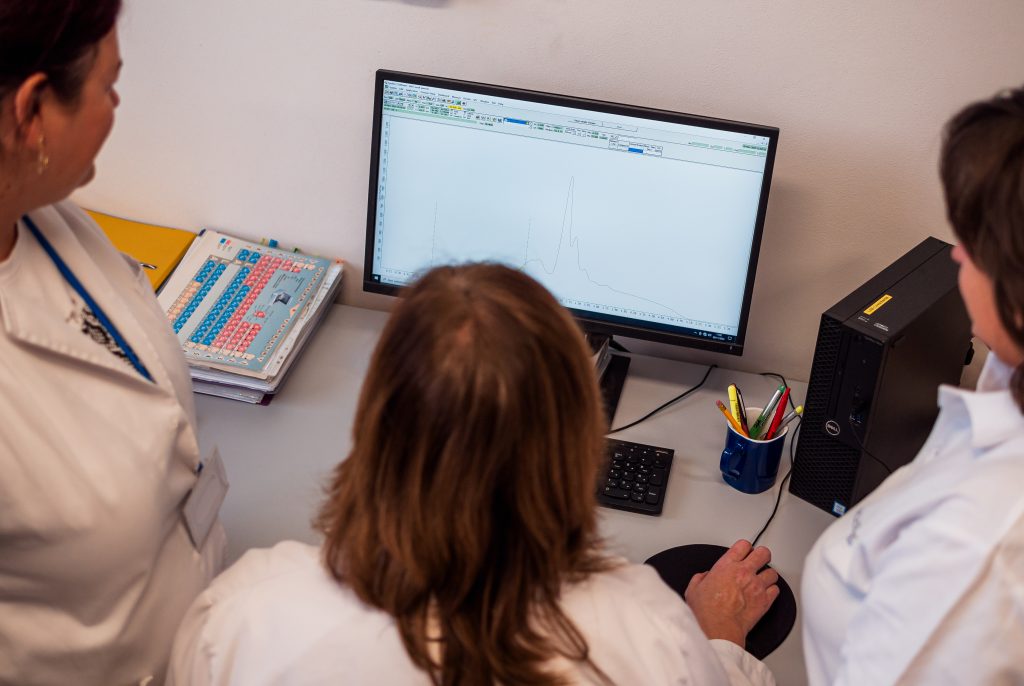
analysed according to ISO 22241 standards & its certificate of analysis
(COA) is available in our internal system for reference. Every production batch
is fully traceable back to its origin. GreenChem AdBlue is ISO certified on
Quality & Environmental management systems according to ISO 9001:2015 &
ISO 14001:2015 standards.
Your vehicle needs AdBlue® to reduce NOₓ emission. Due to the stricter emission legislation, diesel engines need to have cleaner exhaust gases. NOₓ is one of the emissions that causes acid rain. To meet the Euro 6 standards for diesel engine emission the use of Selective Catalyst Reduction-technology (and thus AdBlue®) is required. The Euro 6 standards are into force from September 2014 for new passenger cars.
All commercial vehicle manufacturers have to meet the Euro 6 standards for diesel engine emission. Although Euro 5 emission standards could be met by different technologies, Euro 6 standards require the use of Selective Catalytic Reduction with AdBlue®.
Is AdBlue Hazardous?
Read article
No, Adblue® is not a hazardous substance. It has no known significant effects or critical hazards.
AdBlue® is a highly purified colourless liquid. It contains demineralized water and urea (32.5%). The raw material, urea, even occurs naturally in our digestive system. However, we strongly dissuade you to ingest AdBlue® or inhale it’s vapours, due to the risk of an allergic reaction.
AdBlue® is corrosive and can dissolve materials that are not listed as AdBlue® proof in ISO 22241. These materials could create malfunctions in your SCR-catalyst.
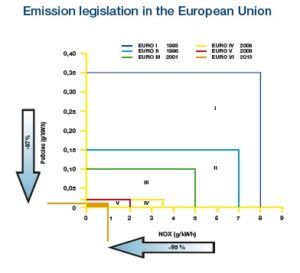
AdBlue and emission legislation
Read article
Is my vehicle subject to this emission legislation?
The Euro 1-6 emission legislation applies to motorcycles, heavy-duty vehicles (buses, trucks) and passenger cars. However, not all vehicles are required to meet the same standards.
Stage I to IV legislation applies to most off-road machinery as used in construction, for farming and other applications. Whether you need to use SCR technology and AdBlue® accordingly, depends on the emission levels of your machine or vehicle.
Legislation for transportation vehicles
EURO 6
Euro 6 will come into force in 2014. It will especially affect standards for diesel driven vehicles, requiring further reduction of NOx and Hydrocarbon emission. Consequently, the SCR system and AdBlue® will become vital to meet the Euro 6 standards. Euro 6 legislation will immediately come into force for trucks in January.
Newly introduced passenger cars will have to meet the legislation before September 2014 and in January 2015 all newly delivered cars will have to meet Euro 6. For more info, please refer Euro 6 Article.
EURO 5 (715/2007/EC)
Euro 5 was introduced in the EU in 2009. It proposes to limit harmful emission from Heavy Goods Vehicles (HGVs).
EURO 4 (98/69/EC, 2002/80/EC)
Euro 4 was introduced in the EU in 2005. It proposed further limiting of petrol and diesel vehicles emissions.
In Euro 4 the emission of NOx has been limited for the first time.
EURO 3 (98/69/EC)
Euro 3 was introduced in the EU in 1999. It limited diesel car emissions. Euro 3 also included legislation for Heavy Duty Vehicles.
EURO 1 & 2 (91/441/EEC, 93/59/EEC & 94/12/EC, 96/69/EC)
Euro 1 came into force in 1993, setting emission standards for commercial vehicles and light trucks. It was the start of a step by step reduction of emissions from all engines to improve air quality in Europe. Euro 1 was soon followed by Euro 2 in 1996, which included legislation for motorcycles.
Legislation for off-road vehicles
Stage III and IV and Stage IV B
Addressing a wider range of off-road vehicles. Stage III and IV contain more elaborative and demanding standards. Stage IV will be introduced in 2014. To meet these emission standards almost all manufacturers will use AdBlue®.
Stage IV B was introduced in 2011 leading major non-road suppliers towards implementation of SCR technology.
Stage I and II (1997-2004)
The first non-road diesel engine regulations were introduced in 1997. These stages did not yet include railroad engines, inland vessels or airplanes.